Restaurant Packaging in India: Why Tokyo Chefs Can Win Delivery Customers With Better Food Presentation
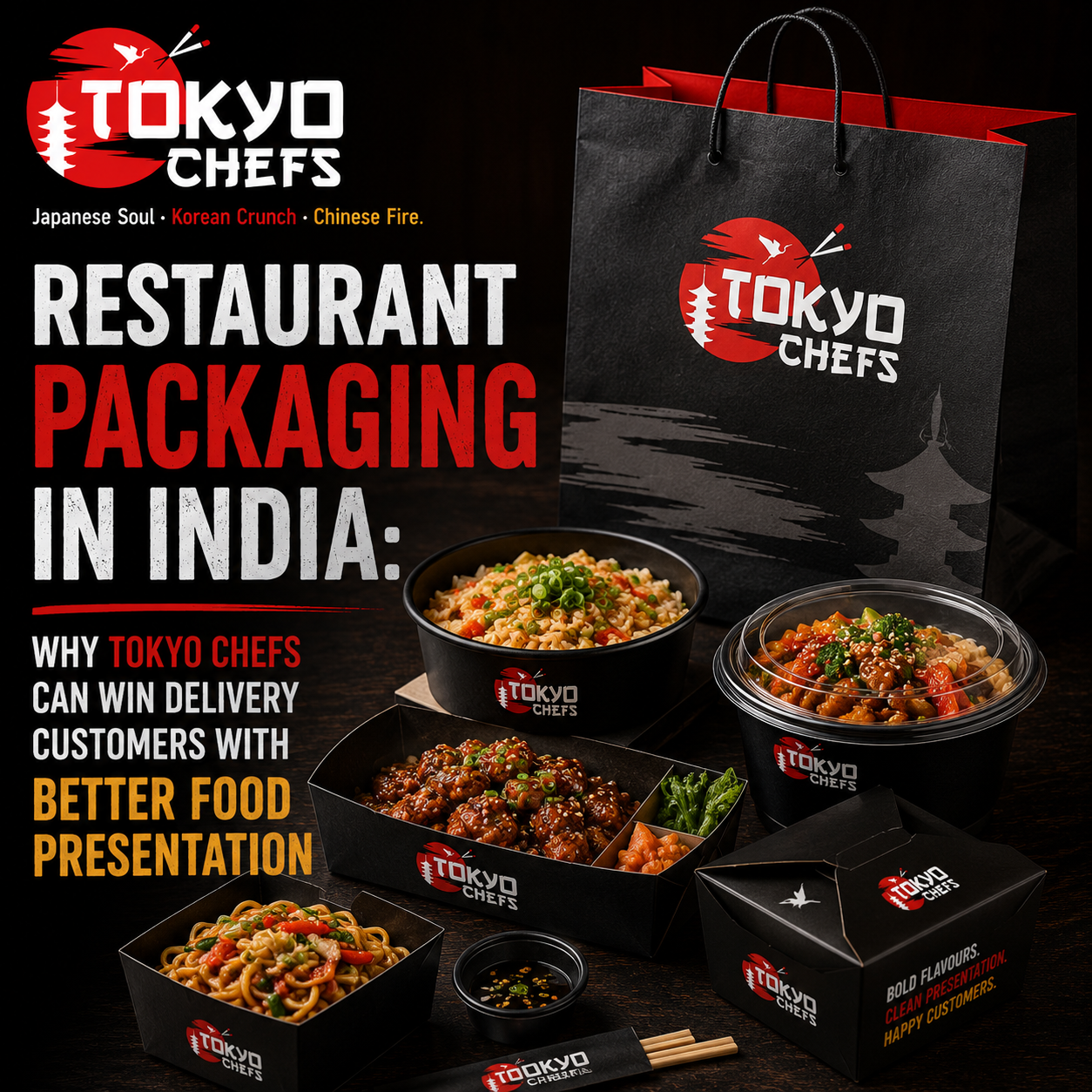
Packaging has become one of the most important parts of the modern restaurant business. Earlier, packaging was treated only as a container to carry food from the restaurant to the customer. Today, packaging is much more than that. It protects food quality, creates brand impression, improves delivery experience and influences whether a customer will order again. For a delivery-friendly Asian fusion brand like Tokyo Chefs, packaging can become a major strength.
Tokyo Chefs serves food that is colourful, saucy, crispy, hot and visually attractive. Korean fried chicken, ramen, rice bowls, bao, dimsum, fried rice, noodles and Asian fusion starters all need different types of packaging. If the packaging is not planned properly, the food may lose texture, temperature, shape and presentation before it reaches the customer. This can damage the customer experience even if the recipe is good.
The first role of packaging is food protection. A Korean fried chicken box should help maintain crispiness. If the box traps too much steam, the chicken becomes soft and soggy. If the sauce leaks, the food looks messy. Tokyo Chefs should use packaging that allows the chicken to remain attractive, flavourful and easy to eat. Sauced chicken, dry crispy chicken and dipping-style chicken may need different packing methods.
Rice bowls need packaging that holds the food neatly. A good rice bowl should look fresh even when opened at home or office. Rice, vegetables, protein, sauce and garnish should not become a messy mixture. The container should be strong, leak-resistant and suitable for hot food. When a customer opens a Tokyo Chefs rice bowl, it should feel like a complete branded meal, not a careless takeaway box.
Ramen needs special attention because it includes broth, noodles and toppings. If ramen is packed carelessly, the noodles can become soggy and the broth can leak. Tokyo Chefs should pack ramen in a way that protects texture and temperature. Wherever required, broth and noodles should be packed separately. Toppings should be arranged neatly so the customer gets a proper ramen experience after delivery.
Bao packaging should protect softness and shape. Bao buns are delicate. If they are pressed or packed tightly, they lose their appeal. A Korean Fried Chicken Bao or Teriyaki Mushroom Bao should reach the customer looking fresh, soft and appetising. The filling should not spill, and the bun should not become wet or dry. Proper compartment-style packing can help preserve the product.
Dimsum and momos also need careful packing. Steamed dimsum should not stick together or become dry. Pan-fried dimsum should retain some texture. Dips must be packed separately in sealed sauce cups. A dimsum order should look clean, premium and easy to eat. Since many customers order dimsum as a side or snack, the packing should make the product feel worth the price.
Chinese wok rice and noodles usually travel well, but they still need proper containers. The food should remain hot, aromatic and non-leaky. Overfilled containers can make the delivery messy. Underfilled containers can make the customer feel disappointed. Tokyo Chefs should maintain fixed portioning and use packaging sizes that match the menu quantity properly.
Packaging also creates the first physical impression of the brand. When a delivery customer receives Tokyo Chefs food, they may not see the outlet, staff or kitchen. They judge the brand through the box, label, seal, smell and food presentation. A clean, attractive and well-branded package creates trust before the first bite.
Branding on packaging is very important. The Tokyo Chefs name, logo, colours and tagline should be visible. The tagline “Japanese Soul. Korean Crunch. Chinese Fire.” can be used smartly on boxes, bags or sleeves. This helps customers remember the brand. If the packaging looks premium, customers are more likely to feel that the food is also premium.
Tamper-evident sealing is also important in delivery. Customers want confidence that the food has reached them safely. Proper sealing gives a sense of hygiene and professionalism. It also protects the franchise partner from complaints related to handling during delivery.
Good packaging can improve online reviews. Many customers mention packaging in delivery platform reviews. If the food arrives hot, clean and well packed, customers feel satisfied. If it arrives spilled, crushed or cold, they may give a poor rating even if the taste is good. In the online food business, packaging directly affects ratings, repeat orders and brand reputation.
Packaging also helps with upselling and combos. A Korean fried chicken combo, ramen and dimsum combo, rice bowl with bao, or family Asian fusion box should be packed in a way that feels complete and organised. Customers should not receive many random containers without structure. A well-designed combo pack can make the order feel more valuable.
For franchise operations, packaging must be standardised. Every outlet should use the same approved packaging style, size and method. Staff should be trained on how to pack each item. Fried chicken, ramen, rice bowls, bao, dimsum and noodles should all have clear packing SOPs. This ensures consistency across all outlets.
Packaging cost must also be managed carefully. Premium packaging is important, but it should not damage profitability. Tokyo Chefs should choose packaging that balances quality, branding and cost. The right packaging protects food, supports pricing and improves customer satisfaction.
Sustainability can also become a positive brand message where practical. Customers are becoming more aware of waste and packaging quality. Food-grade, safe and responsible packaging can improve the brand image. However, the first priority must always be food safety, heat protection and delivery performance.
Tokyo Chefs can stand apart from ordinary outlets by treating packaging as part of the product. A dish is not complete when it leaves the kitchen; it is complete when the customer opens it and enjoys it in the right condition. This is especially important for delivery-first and QSR formats.
In modern food business, packaging is not a minor detail. It is part of taste, hygiene, branding and customer trust. Tokyo Chefs can win delivery customers by ensuring that every order looks neat, travels well and feels premium. Strong packaging can turn a first-time order into a repeat customer and help Tokyo Chefs build a stronger Asian fusion brand in India.