
Ramen in India: Why Japanese Comfort Food Is Ready for the Indian Market
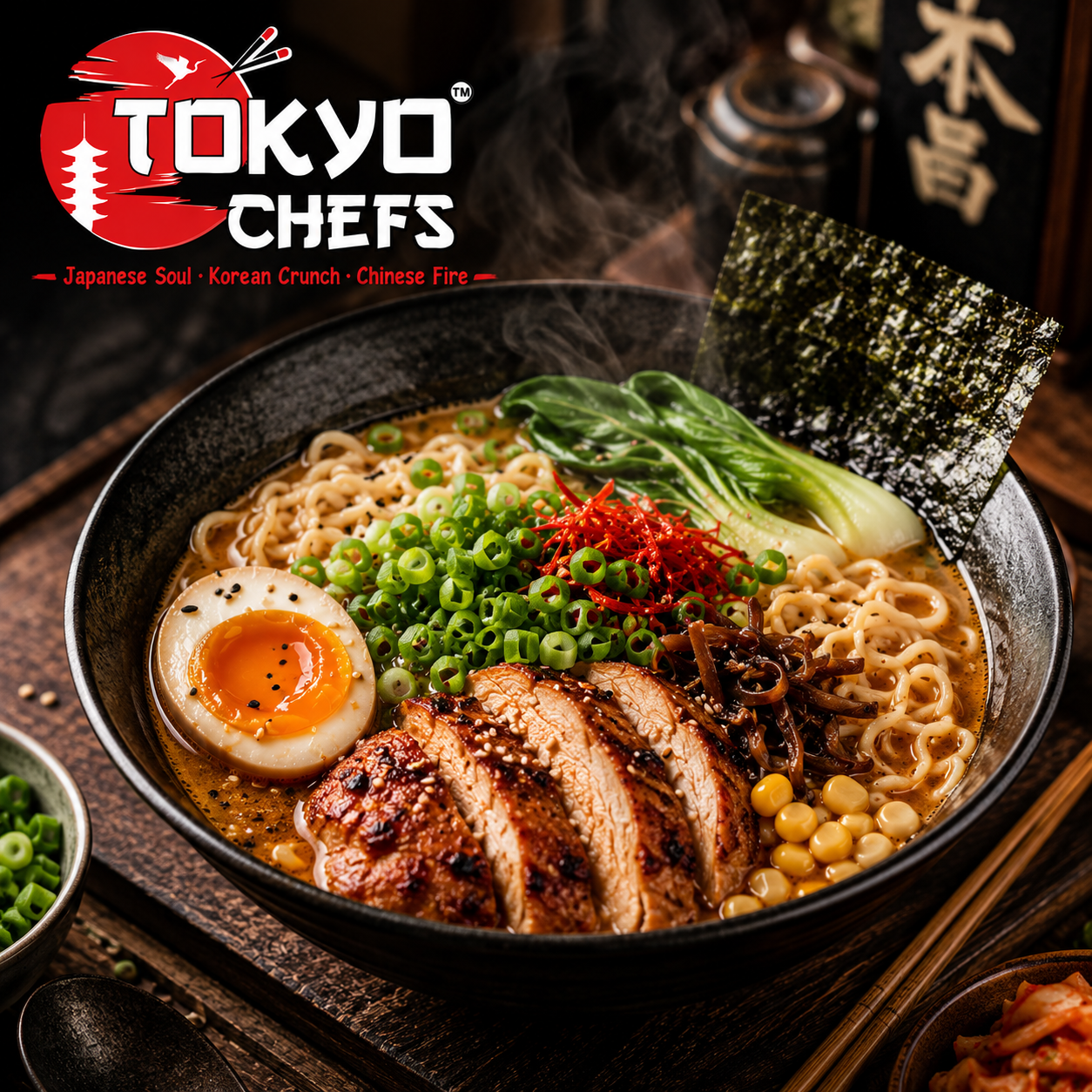
Ramen has become one of the most loved Japanese-inspired comfort foods across the world. It is warm, filling, flavourful and visually attractive. For Indian customers who enjoy complete meals with spice, aroma and texture, ramen has the potential to become a powerful food category when adapted correctly. Tokyo Chefs can use ramen as one of its signature offerings by presenting it in a way that feels international, modern and suitable for Indian taste preferences.
Ramen is not just a bowl of noodles. It is a complete food experience. A good ramen bowl has broth, noodles, vegetables, protein, toppings, aroma and depth of flavour. It gives the comfort of soup, the satisfaction of noodles and the fullness of a complete meal. This makes it very suitable for lunch, dinner, delivery and dine-in orders.
Indian customers already love noodle-based dishes. Hakka noodles, Schezwan noodles, chilli garlic noodles and soupy noodles have been popular for many years. Ramen takes this existing love for noodles to the next level. It feels more premium, more filling and more global. Instead of being served as a simple stir-fried dish, ramen is served as a beautiful bowl with broth, toppings and layers of flavour.
Tokyo Chefs can make ramen successful by creating versions that are easy for Indian customers to understand. The menu should not become too complicated or too authentic for a mass audience. It should be Japanese-inspired but Indian-market friendly. A Tokyo Chicken Ramen, Spicy Kimchi Veg Ramen, Korean Spicy Chicken Ramen, Mushroom Miso Style Ramen and Chilli Garlic Noodle Bowl can create strong appeal without confusing the customer.
The broth is the heart of ramen. It should be rich, aromatic and balanced. For India, the broth must have enough flavour to satisfy spice-loving customers without becoming too heavy or oily. A clear broth can work for lighter eaters, while spicy Korean-style broth can attract young customers who enjoy bold flavours. Mushroom-based broth can work beautifully for vegetarians, while chicken and seafood broths can create stronger non-veg options.
Ramen also works because it looks premium. A bowl with noodles, greens, mushrooms, sweet corn, spring onions, soft egg, chicken, tofu or seafood creates a strong visual impact. It can easily become a social media dish. Customers enjoy photographing ramen because it looks colourful, warm and attractive. In a market where online visibility matters, ramen gives Tokyo Chefs a strong visual advantage.
For vegetarian customers, ramen can be a very strong category. India has a large vegetarian audience, and many global food brands fail when they do not create exciting vegetarian options. Tokyo Chefs can build strong veg ramen varieties using mushrooms, tofu, Asian greens, sweet corn, chilli oil, garlic, spring onion and spicy broth. A Mushroom Miso Style Ramen or Spicy Kimchi Veg Ramen can become a serious vegetarian meal, not just a compromise.
For non-vegetarian customers, ramen can be made more exciting with chicken, egg, seafood and Korean-style toppings. Tokyo Chicken Ramen can become the comfort option, while Korean Spicy Chicken Ramen can become the bold and fiery option. Seafood Ramen can be positioned as a premium choice for selected markets where seafood demand is strong.
Ramen also supports excellent combo opportunities. It can be paired with Korean fried chicken, bao, dimsum, crispy starters or refreshing drinks. This helps increase average bill value. A customer may order ramen as the main dish and add Korean chicken bites or dimsum as a side. Such combinations make the dining experience complete and improve business performance for the outlet.
For delivery, ramen needs careful planning. The broth and noodles should ideally be packed separately so the customer gets the right texture at the time of eating. The toppings should be arranged neatly, and the packaging should prevent leakage. If done properly, ramen can become a strong delivery product. It gives customers a restaurant-style experience at home.
The biggest challenge with ramen is consistency. If the broth changes every day, the customer will not trust the brand. If the noodles become soggy, the dish will lose its appeal. If toppings are not portioned correctly, the bowl will look weak. Therefore, Tokyo Chefs must standardise every part of ramen preparation — broth recipe, noodle quantity, protein portion, toppings, garnish, packaging and serving temperature.
This is where Tokyo Chefs has a strong advantage as a chef-led brand. With proper SOPs, recipe cards and training systems, ramen can be made consistent across outlets. Every bowl should taste and look similar, whether it is served in Mysore, Bangalore, Hyderabad, Chennai or any other market. Consistency builds trust, and trust builds repeat orders.
Ramen also helps Tokyo Chefs stand apart from regular Chinese restaurants. Many restaurants serve fried rice, noodles and Manchurian, but fewer brands serve well-presented Japanese-inspired ramen in a scalable format. This gives Tokyo Chefs a more modern and premium identity. It shows that the brand is not just copying existing market items but creating a broader Asian fusion experience.
For the Indian market, ramen should be promoted as comfort food, not as complicated foreign food. The communication should be simple: hot, flavourful, filling and freshly prepared. Customers should feel that ramen is a complete bowl meal they can enjoy any day. Once they understand it, ramen can become a repeat-order dish.
Tokyo Chefs can make ramen exciting by offering different flavour levels. Mild ramen for families, spicy ramen for youth, mushroom ramen for vegetarians, chicken ramen for regular diners and seafood ramen for premium customers. This variety helps the category appeal to multiple customer groups.
Ramen is ready for India because Indian customers are ready for new experiences. They want global food, but they want it in a form that matches their taste, comfort and value expectations. Tokyo Chefs can bridge this gap by creating ramen that is inspired by Japan, enhanced with Asian flavours and adapted beautifully for Indian customers.
A steaming bowl of ramen represents everything Tokyo Chefs stands for — warmth, flavour, freshness, presentation and modern Asian comfort. With the right recipes, sauces, toppings and systems, ramen can become one of the most powerful categories in the Tokyo Chefs menu.