Korean Food in India: Why Seoul-Inspired Flavours Are Winning Young Customers
Korean food has become one of the most exciting food trends in India. What was once a niche cuisine known only to a small group of food lovers has now entered the mainstream through social media, Korean dramas, music, food videos and global dining culture. Young Indian customers are curious about Korean flavours, Korean fried chicken, gochujang sauces, kimchi, ramen-style bowls and street-style snacks. This creates a powerful opportunity for Tokyo Chefs to bring Korean-inspired food into an Asian fusion format that is bold, approachable and suitable for Indian taste preferences.
The rise of Korean food in India is not accidental. Korean cuisine has many qualities that Indian customers naturally enjoy. It is spicy, saucy, colourful, aromatic and full of texture. Many Korean-style dishes use chilli, garlic, sesame, fermented flavours, crispy coatings and bold sauces. These elements connect strongly with the Indian love for masaledar, flavour-packed food.
One of the most important Korean ingredients becoming popular is gochujang. Gochujang is a Korean chilli paste known for its spicy, slightly sweet and deep flavour. For Indian customers, it feels new but still comfortable because we already enjoy strong chilli-based flavours. When used in fried chicken, paneer bites, rice bowls or sauces, gochujang can create a unique taste that is different from regular chilli sauce or Schezwan sauce.
Tokyo Chefs can use Korean-inspired flavours as one of its strongest brand pillars. The brand does not need to become a pure Korean restaurant. Instead, it can use Korean sauces, cooking styles and flavour profiles in a way that fits the larger Asian fusion identity. Korean fried chicken, Korean BBQ wings, gochujang paneer bites, kimchi fried rice, Korean chilli momos and spicy Korean ramen can all become strong customer favourites.
Korean fried chicken is the biggest hero product in this category. It has everything today’s customer wants — crispy texture, juicy chicken, glossy sauce, strong aroma and social media appeal. It can be served as wings, boneless bites, strips or sharing boxes. The flavour options can range from mild honey soy garlic to bold firecracker gochujang. This allows Tokyo Chefs to attract different types of customers.
Vegetarian Korean fusion is equally important for India. A Korean-inspired menu cannot depend only on chicken. Tokyo Chefs can create exciting vegetarian options such as Korean Crispy Cauliflower, Gochujang Paneer Bites, Honey Soy Mushroom Bites, Korean Chilli Potato and Seoul Style Veg Tempura. These dishes give vegetarian customers the same bold sauce experience and crispy texture.
Kimchi is another Korean element that can be used smartly. While traditional kimchi may be strong for some Indian customers, kimchi-inspired fried rice, ramen and sauces can work very well. Kimchi Fried Rice gives a spicy, tangy and fermented flavour that feels different from regular fried rice. It can be offered in both veg and chicken versions. This gives Tokyo Chefs a product that is modern, international and easy to promote.
Korean flavours also work beautifully in rice bowls. A Korean Fried Chicken Rice Bowl or Korean Paneer Rice Bowl can become a complete meal with rice, vegetables, sauce, garnish and protein. These bowls are filling, colourful and delivery-friendly. They are perfect for office lunches, college crowds and customers looking for a full meal with bold flavour.
Korean-style ramen is another strong opportunity. Indian customers already love noodles and spicy soups. A Korean Spicy Chicken Ramen or Spicy Kimchi Veg Ramen can bring warmth, spice and comfort in one bowl. It feels premium but still familiar because of the noodle base. This makes it easier for customers to accept compared to very unfamiliar international dishes.
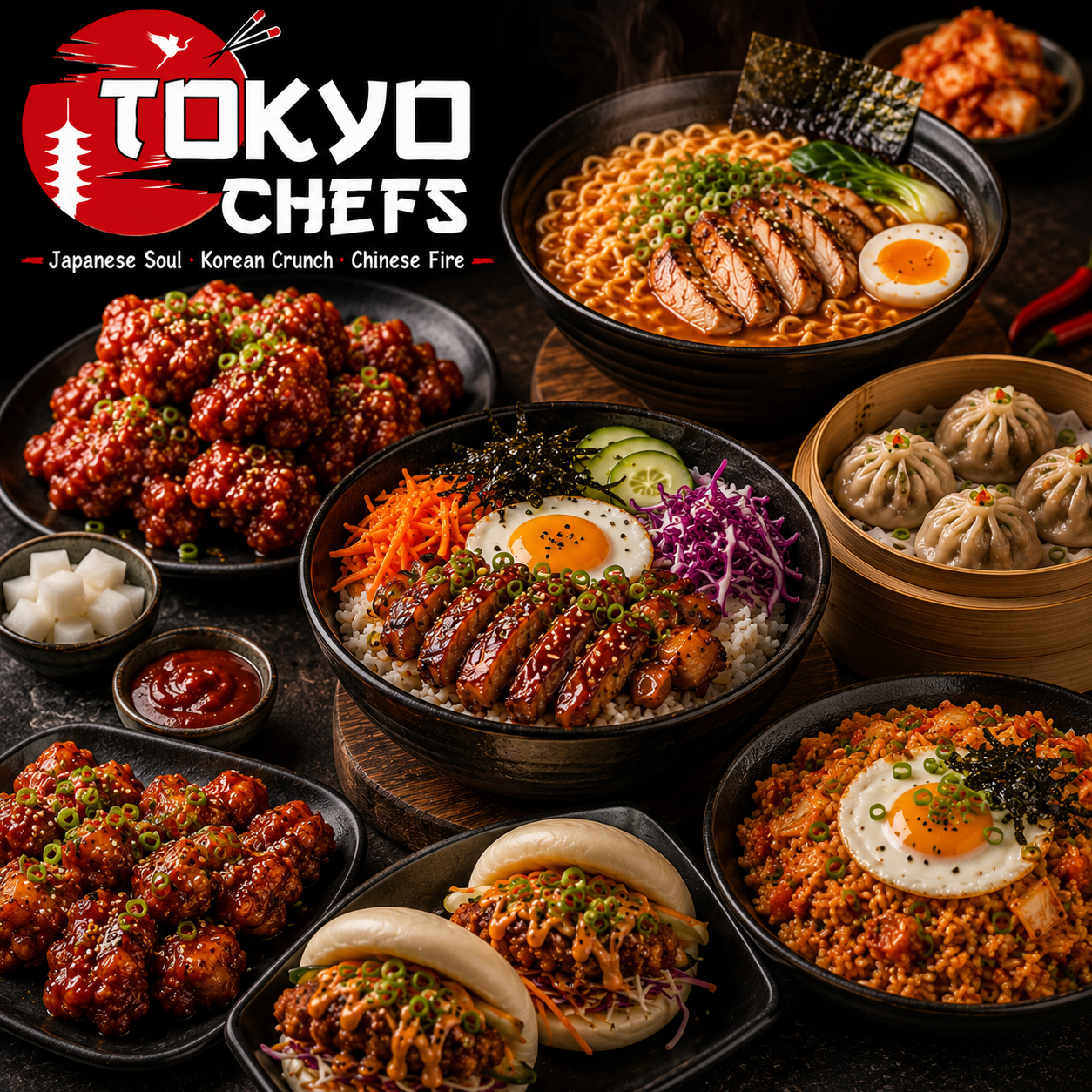
The visual appeal of Korean food is a major advantage. Glossy red sauces, sesame seeds, spring onions, colourful vegetables, crispy chicken and steaming bowls all look attractive online. Food that looks good performs better on Instagram, Google listings and delivery platforms. Tokyo Chefs can use Korean-inspired dishes to create strong digital marketing content.
Korean food also supports group ordering. Friends can order Korean fried chicken, bao, dimsum, noodles and rice bowls together. A sharing box of Korean chicken with dips and sides can become a strong evening or weekend product. Group-friendly food helps increase average bill value and improves customer satisfaction.
For franchise partners, Korean-inspired food gives a strong business advantage because it is still fresh in many Indian markets. Regular Chinese food is available almost everywhere, but a well-designed Asian fusion brand with Korean fried chicken and Korean-style bowls can feel new and exciting. This helps Tokyo Chefs stand out from ordinary restaurants.
However, Korean fusion must be executed with discipline. Sauces must be balanced. The food should not become too sweet, too spicy or too salty. Fried items should stay crispy. Rice bowls should have proper sauce quantity. Ramen should have good broth depth. Every recipe must be standardised so that the customer gets the same taste every time.
Tokyo Chefs can make Korean food successful by making it bold but understandable. Customers should not feel confused by the menu. Names like Korean Fried Chicken, Honey Soy Garlic Wings, Gochujang Paneer Bites, Kimchi Fried Rice and Korean Spicy Ramen are simple, attractive and easy to order.
Korean food in India is growing because it matches the mood of the new customer. It is youthful, flavourful, colourful and exciting. It connects with global pop culture while still satisfying the Indian craving for spice and crunch.
Tokyo Chefs can become a strong name in this space by bringing Korean-inspired dishes into a wider Asian fusion experience. With Japanese soul, Korean crunch, Chinese fire and Indian understanding, the brand can make Seoul-inspired flavours more accessible, repeatable and profitable in the Indian market.