Bao and Dimsum in India: Why Asian Street Snacks Are Becoming the Next Big Food Opportunity
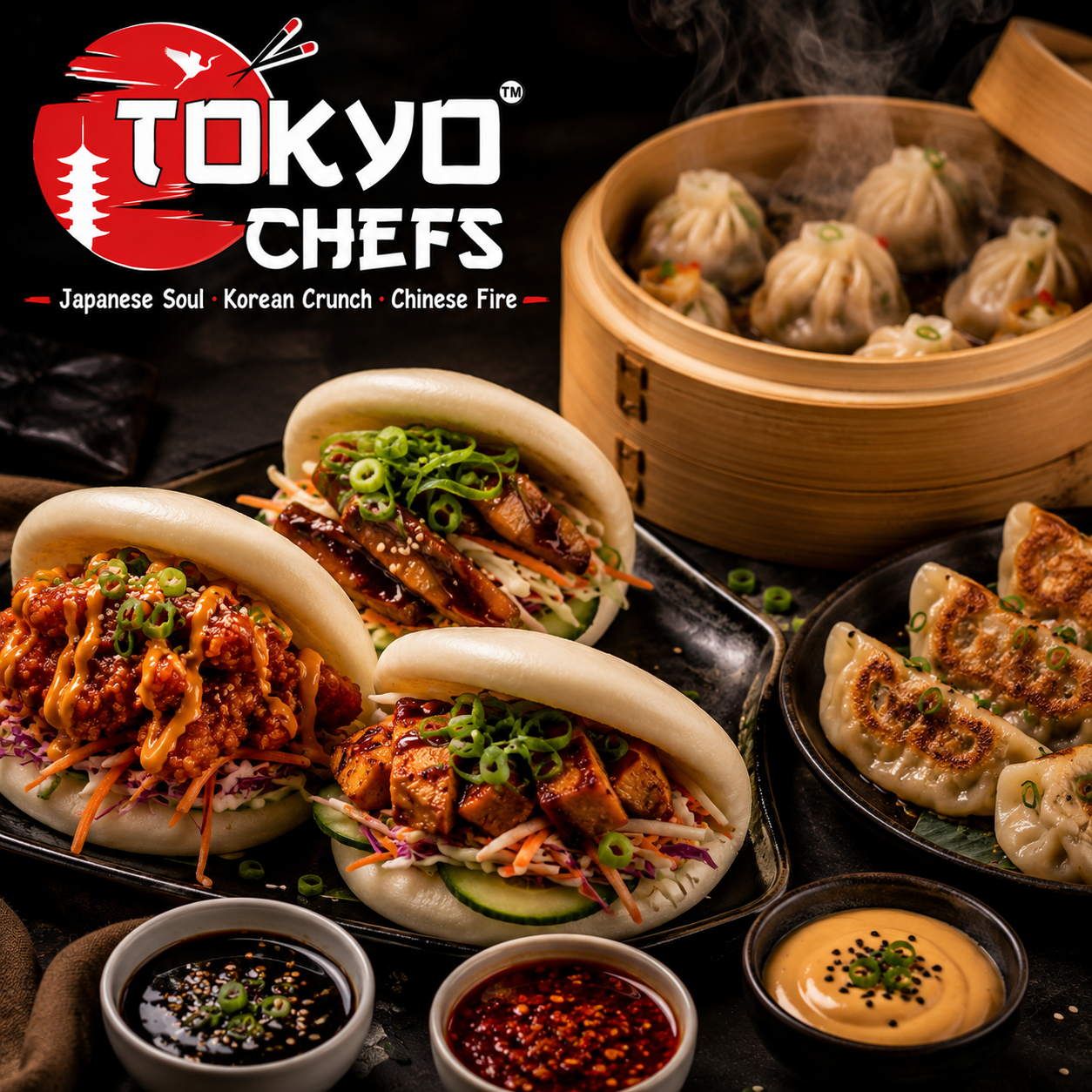
Bao and dimsum are slowly becoming two of the most exciting Asian food categories in India. Earlier, many customers knew only momos when they thought of steamed Asian snacks. Today, food lovers are becoming more open to bao, dimsum, pan-fried dumplings and stuffed Asian small plates. This change is creating a strong opportunity for brands like Tokyo Chefs to introduce modern Asian street food in a format that is easy to enjoy, easy to share and easy to repeat.
Bao is soft, fluffy and filled with bold flavours. It looks attractive, feels premium and gives customers a different experience from the regular burger, roll or sandwich. A bao can be filled with Korean fried chicken, crispy paneer, teriyaki mushroom, chilli chicken or Asian vegetables. This makes it flexible for both vegetarian and non-vegetarian customers.
Dim sum, on the other hand, gives a lighter and more refined snacking experience. It can be steamed, pan-fried or served with flavourful sauces. Dimsum works well for customers who want something tasty but not too heavy. It also fits beautifully into the modern dining culture where people like to order multiple small dishes and share them with friends or family.
India has already shown strong love for momos. From street stalls to cafés and delivery kitchens, momos have become a familiar snack across many cities. This makes the market ready for bao and dimsum. Customers already understand the idea of stuffed Asian snacks. Tokyo Chefs can take this familiarity and upgrade it with better fillings, better presentation, stronger sauces and a more premium brand experience.
The biggest strength of bao is its visual appeal. A well-made bao looks soft, clean and stylish. When filled with crispy Korean fried chicken, fresh cucumber, shredded vegetables, sauce and garnish, it becomes highly attractive for social media. Young customers love food that looks different and exciting. Bao can become one of the most photographed items on the Tokyo Chefs menu.
Bao also gives the brand a strong fusion opportunity. Instead of keeping the fillings too traditional, Tokyo Chefs can create flavours that suit Indian customers. Korean Fried Chicken Bao can bring crunch and spice. Crispy Paneer Bao can attract vegetarian guests. Teriyaki Mushroom Bao can offer a balanced sweet-savoury taste. Chilli Chicken Bao can connect with customers who already love Indo-Chinese flavours. This kind of fusion makes bao easy to accept.
Dimsum also offers strong menu flexibility. Classic Veg Dimsum, Chicken Dimsum, Spicy Schezwan Momos, Pan-Fried Chicken Momos, Cheese Corn Momos and Korean Chilli Momos can create a wide range of choices. Some customers may prefer steamed options, while others may enjoy spicy, saucy or pan-fried versions. This variety increases repeat ordering because customers can try a different version each time.
For a restaurant brand, bao and dimsum are powerful because they work across multiple occasions. They can be ordered as snacks, starters, sides, sharing plates or add-ons with ramen, rice bowls and noodles. A customer ordering ramen may add dimsum. A group ordering Korean fried chicken may add bao. A delivery customer may order a bao combo for a quick meal. This helps increase the average bill value without complicating the menu too much.
Bao and dimsum also fit very well into the delivery market. With proper packaging, they can be sent neatly and safely. Dips and sauces can be packed separately to maintain texture. Steamed dimsum can be delivered in a clean box, while bao can be packed in a way that protects its softness and filling. For Tokyo Chefs, this creates a strong advantage because the brand is designed for dine-in, takeaway and online delivery.
Another important benefit is vegetarian potential. Many international Asian brands struggle in India because they do not create enough vegetarian excitement. Bao and dimsum solve this problem beautifully. Paneer, mushroom, corn, cheese, Asian vegetables, tofu and crispy cauliflower can all be used to create attractive vegetarian fillings. This allows Tokyo Chefs to serve a wider customer base.
The sauce system will play a major role in making bao and dimsum successful. Garlic chilli sauce, sweet chilli sauce, sesame soy dip, spicy Schezwan sauce, Korean gochujang sauce and creamy Asian dips can create strong flavour memories. Customers may return not only for the bao or dimsum but also for the sauces that come with them.
For franchise operations, bao and dimsum must be carefully standardised. The filling quantity, steaming time, sauce portion, garnish, packing method and holding time must be clearly defined. If the bao becomes dry or the dimsum becomes sticky, the customer experience will suffer. Tokyo Chefs must treat these items with proper kitchen discipline so that every outlet serves the same quality.
Bao and dimsum also help Tokyo Chefs stand apart from regular Chinese restaurants. Many Chinese outlets offer momos, fried rice and noodles, but very few present bao and dimsum as part of a complete Asian fusion experience. When placed along with Korean fried chicken, ramen, rice bowls and wok noodles, bao and dimsum make the brand look more premium, modern and international.
For Indian customers, bao and dimsum should be communicated in a simple and attractive way. Bao can be explained as a soft Asian bun filled with bold flavours. Dimsum can be presented as delicate Asian dumplings served with signature sauces. The communication should not be complicated. Customers should feel curious, comfortable and excited to try them.
The future of Asian street snacks in India is strong because customers are ready to explore beyond the usual. They want food that is compact, flavourful, shareable and visually exciting. Bao and dimsum meet all these expectations. They are modern but approachable, premium but repeatable, international but adaptable to Indian taste.
Tokyo Chefs can use bao and dimsum as strong brand-building products. Korean Fried Chicken Bao, Crispy Paneer Bao, Pan-Fried Chicken Dimsum and Spicy Schezwan Veg Momos can become customer favourites when executed well. These items create variety, improve menu appeal and make the brand feel fresh.
Bao and dimsum represent the new direction of Asian fusion dining in India. They are not just side items; they can become powerful traffic-pulling dishes when supported by good recipes, attractive presentation and strong marketing. For Tokyo Chefs, they add softness, spice, comfort, style and street-food excitement to the overall menu.