Asian Fusion Restaurant in India: Why Modern Customers Want More Than Regular Chinese Food
For many years, Chinese food has been one of the most popular restaurant choices in India. Fried rice, noodles, chilli chicken, Manchurian and Schezwan dishes have become part of everyday eating across cities and towns. However, the new generation of customers wants more than regular Chinese food. They want variety, global flavours, modern presentation and a dining experience that feels fresh. This is where Asian fusion restaurants are becoming a powerful opportunity in India.
Tokyo Chefs is created for this new customer mindset. It takes inspiration from Tokyo’s fast-moving food culture and combines it with Korean fried chicken, Chinese wok favourites, Japanese-style ramen, rice bowls, bao, dimsum and Asian fusion starters. The result is a menu that feels modern, exciting and still comfortable for Indian taste preferences.
The modern Indian customer is more exposed than ever before. They watch food videos from different countries, follow Korean and Japanese food trends, order from delivery apps and try new restaurants based on social media recommendations. They are curious, but they are also practical. They want international food, but it should not feel confusing, bland or overpriced. Tokyo Chefs bridges this gap by offering global Asian flavours in a simple, bold and Indian-friendly format.
One major reason Asian fusion works in India is because it gives customers choice. A pure Chinese outlet may offer only fried rice, noodles and gravies. A pure Japanese restaurant may feel too limited or unfamiliar for many customers. A pure Korean restaurant may attract only a niche audience. But an Asian fusion restaurant can bring the best of multiple cuisines together under one clear brand identity.
At Tokyo Chefs, a guest can order Korean fried chicken for crunch, ramen for comfort, rice bowls for a complete meal, bao for snacking, dimsum for sharing and wok noodles for familiar satisfaction. This variety makes the brand suitable for families, friends, office teams, students and delivery customers.
Indian customers love strong flavours. They enjoy garlic, chilli, spice, crunch, sauces and aroma. Asian fusion food naturally supports all these elements. Korean gochujang sauce, Chinese hot garlic, Schezwan chilli, Japanese teriyaki, sesame soy dips and burnt garlic flavours can all create powerful taste memories. When these sauces are balanced properly, they can attract repeat customers.
Fusion food also gives restaurants the freedom to innovate. A Korean Fried Chicken Bao, Kimchi Fried Rice, Gochujang Paneer Bites, Tokyo Katsu Rice Bowl or Chilli Garlic Ramen Bowl can feel new without becoming too risky. These dishes are easy for customers to understand because they connect familiar formats with new flavours. This is very important in India, where successful food concepts must be exciting but not intimidating.
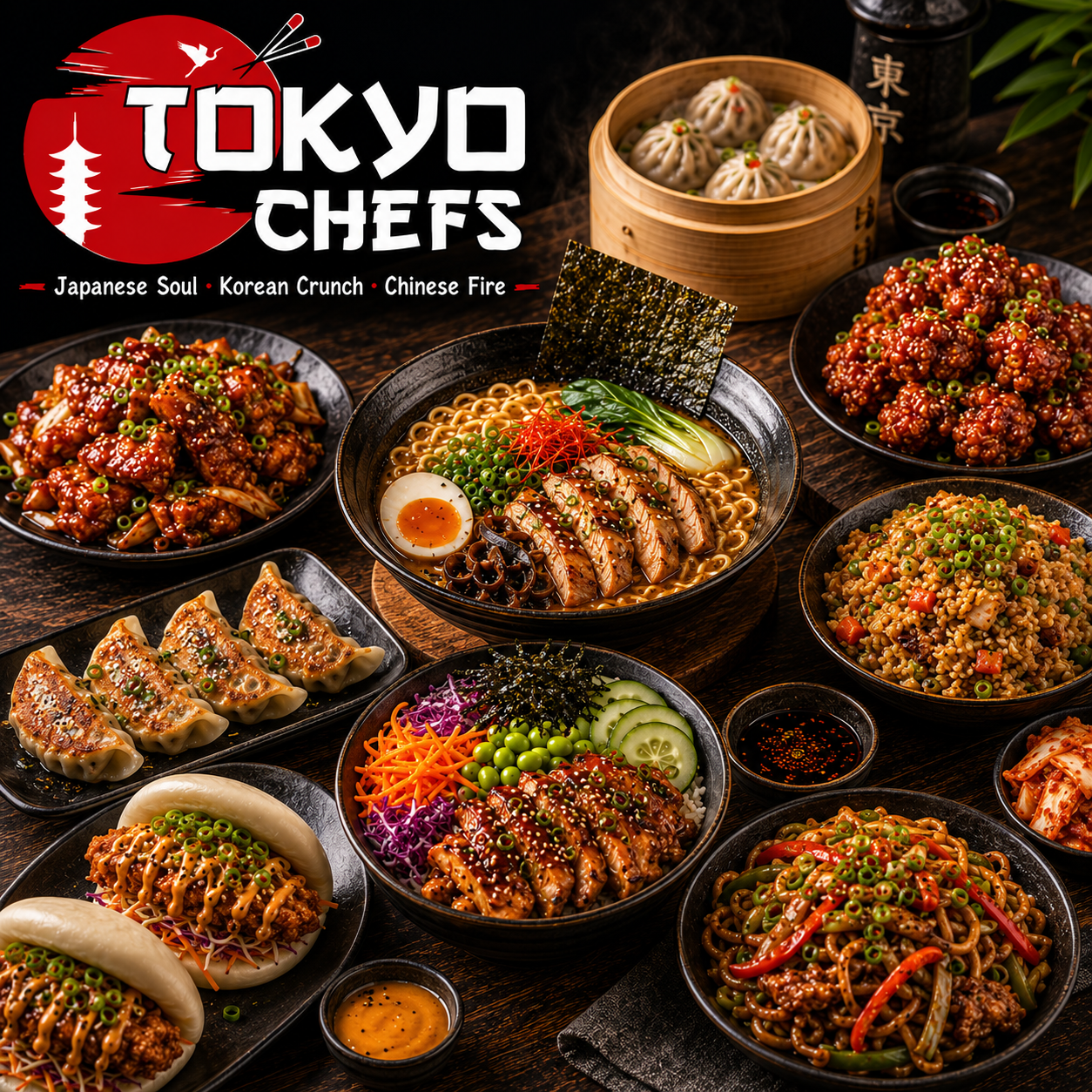
Asian fusion restaurants also have strong visual appeal. Today, food must perform well not only on the plate but also on camera. Customers often decide where to eat after seeing images on Instagram, Google or food delivery platforms. A table filled with ramen, Korean fried chicken, bao, dimsum, rice bowls and noodles looks colourful, premium and highly shareable. Tokyo Chefs can use this advantage strongly in branding and marketing.
For dine-in customers, Asian fusion creates an experience. The sound of wok cooking, the aroma of garlic and sauces, the steam from ramen, the gloss of Korean fried chicken and the softness of bao all add to the excitement. It feels more energetic than regular fast food and more approachable than fine dining. This makes it ideal for casual dining, food courts and quick-service formats.
For delivery customers, Asian fusion is equally powerful. Rice bowls, noodles, fried rice, Korean chicken bites, bao and dimsum are easy to pack and easy to consume. These dishes work well for office lunches, home dinners, evening snacks and group orders. With the right packaging and portioning, Tokyo Chefs can create a strong delivery experience without losing food quality.
Another important factor is vegetarian demand. India has a large vegetarian customer base, and many international food concepts fail when they do not give enough attention to vegetarian options. Tokyo Chefs can create strong vegetarian dishes using paneer, mushroom, tofu, baby corn, cauliflower, broccoli, corn and Asian vegetables. Korean Crispy Cauliflower, Gochujang Paneer Bites, Teriyaki Mushroom Bao, Veg Katsu Curry Bowl and Tokyo Veg Fried Rice can become strong vegetarian favourites.
Asian fusion also helps franchise partners because the menu does not depend on one single product. If one category performs slowly in a particular market, another category can support sales. Korean fried chicken can drive snacks and group orders. Rice bowls can drive lunch and dinner. Chinese wok dishes can drive familiar repeat orders. Bao, dimsum and ramen can create premium appeal. This balance makes the business model stronger.
However, an Asian fusion restaurant must never become a confused multi-cuisine outlet. The brand must have a clear identity. Tokyo Chefs should always stand for modern Asian fusion with Japanese soul, Korean crunch, Chinese fire and Indian understanding. Every item on the menu should belong to this identity. This focus will make the brand stronger and easier for customers to remember.
Consistency is also critical. Customers may forgive a new dish once, but they will not return if the taste keeps changing. Sauces must be standardised, recipes must be documented, portions must be controlled and staff must be trained properly. A strong Asian fusion brand needs creativity, but it also needs discipline. Tokyo Chefs must deliver the same flavour, quality and presentation across every outlet.
The Indian restaurant market is ready for Asian fusion because customers are looking for something beyond the usual. They want food that feels global but still satisfies Indian cravings. They want variety without confusion, premium presentation without fine-dining pricing and bold flavours without poor-quality shortcuts.
Tokyo Chefs is built for this opportunity. It gives customers a modern Asian food experience through Korean fried chicken, ramen, rice bowls, bao, dimsum and Chinese wok favourites. It gives franchise partners a menu with strong repeat potential, delivery value and social media appeal.
Asian fusion is the next step after regular Chinese food in India. It keeps the comfort customers already love and adds new excitement through Japanese, Korean and modern Asian influences. This is why Tokyo Chefs can become a strong name for customers who want more flavour, more variety and more experience in every order.