Asian Fusion Food in India: Why Tokyo Chefs Is Built for the New Indian Food Lover
India’s food culture is changing fast. Guests are no longer satisfied with only the regular choices of pizza, burgers, biryani, South Indian food or basic Chinese dishes. Today’s customers want flavour, presentation, variety and experience. They want food that feels exciting, looks good on social media and still satisfies the Indian craving for spice, crunch, sauce and comfort. This is exactly where Asian fusion food has become one of the strongest restaurant opportunities in India.
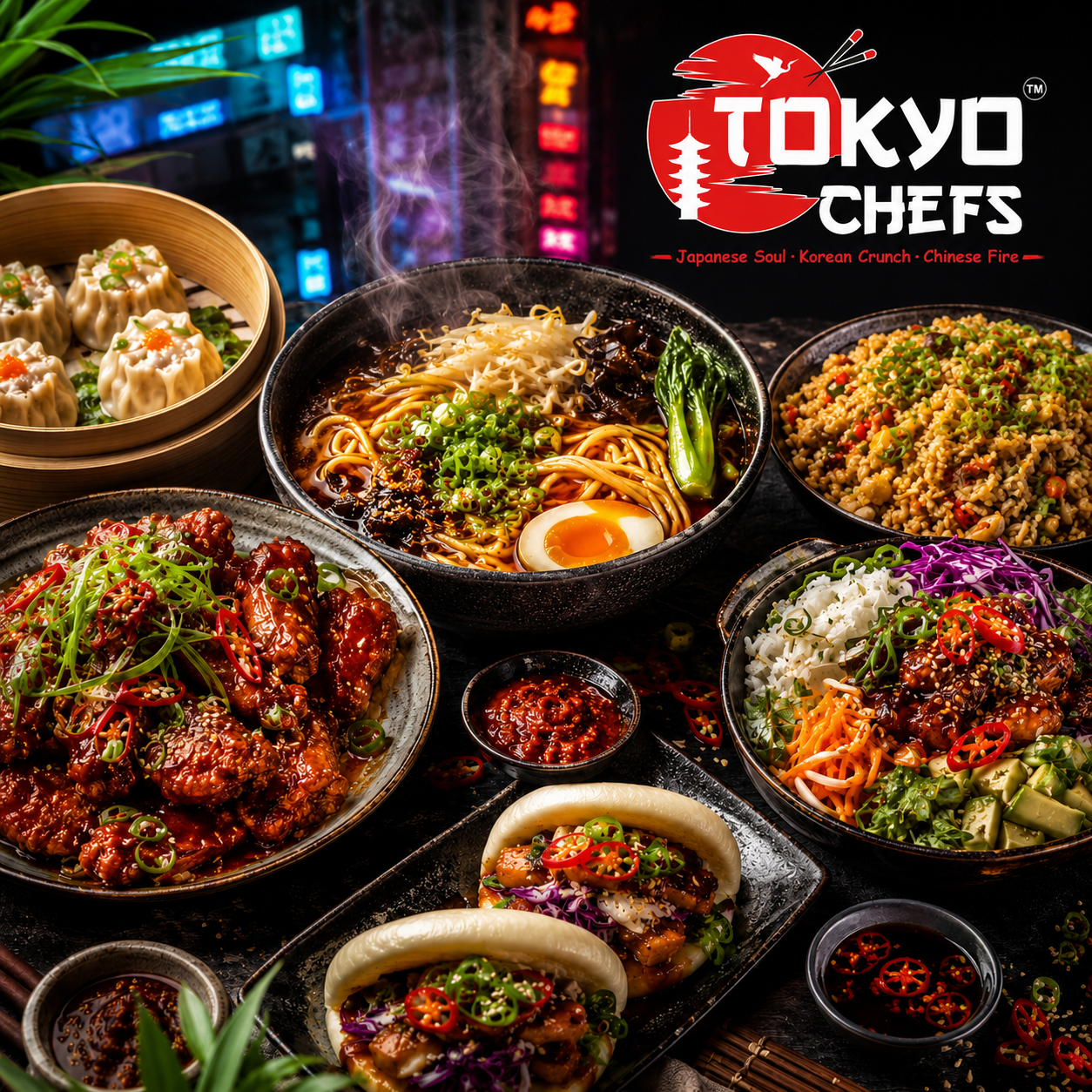
Tokyo Chefs is created for this new generation of food lovers. It is not limited to one country or one style of cooking. It brings together the best inspirations from Japanese, Korean and Chinese food and presents them in a way that Indian customers can enjoy every day. The brand is built around Japanese-inspired bowls, ramen, bao, dimsum, Korean fried chicken, Chinese wok rice, noodles and bold Asian fusion starters.
Asian fusion food works beautifully in India because Indian customers already love layered flavours. We enjoy food that has spice, sweetness, tanginess, garlic, chilli, crunch and aroma. Korean fried chicken, for example, gives the perfect combination of crispy texture and glossy spicy sauces. Chinese wok dishes bring heat, speed and familiar comfort. Japanese-inspired rice bowls and ramen bring depth, warmth and modern appeal. When these elements are brought together under one strong brand, the result is a menu that feels both international and easy to accept.
Tokyo Chefs is positioned as a modern Asian fusion kitchen inspired by the energy of Tokyo streets. Tokyo is known for food culture that is fast, disciplined, colourful and highly creative. From ramen shops and street grills to compact food outlets and modern cafés, the city represents speed, quality and excitement. Tokyo Chefs takes that inspiration and combines it with Indian market understanding.
The biggest advantage of Asian fusion food is variety. A group of customers can walk into Tokyo Chefs and each person can find something different. One guest may choose Korean fried chicken, another may prefer ramen, someone else may order bao or dimsum, and another may go for fried rice or noodles. This variety increases repeat visits because guests do not feel bored after one or two visits. Every visit can become a different experience.
Korean fried chicken can become one of the strongest hero products for Tokyo Chefs. It is crispy, saucy, attractive and highly shareable. Dishes like Seoul Spicy Wings, Honey Soy Garlic Chicken, Gochujang Chicken Bites and Korean BBQ Chicken can create strong cravings among young customers. These dishes are also perfect for delivery because they are easy to pack, easy to portion and easy to promote online.
Ramen and rice bowls bring another important strength to the brand. They offer comfort and fullness. Indian customers love complete meals, and bowls are one of the best ways to deliver that experience in a modern format. A Tokyo Chicken Teriyaki Bowl, Korean Fried Chicken Rice Bowl or Spicy Seafood Rice Bowl can become a satisfying lunch or dinner option for office customers, college students and families.
Bao, dimsum and momos add a street-food and snackable element to the menu. These items are loved because they are soft, flavourful, easy to share and visually appealing. A Korean Fried Chicken Bao or Teriyaki Mushroom Bao can give customers something different from the regular burger or roll. Dimsum and momos also work well with Indian preferences because they can be served steamed, pan-fried or tossed in bold sauces.
Chinese wok rice and noodles remain important because they are already popular in India. However, Tokyo Chefs should not present them as ordinary Chinese dishes. They should be upgraded with better sauces, cleaner presentation, stronger ingredients and a modern Asian identity. Items like Kimchi Fried Rice, Burnt Garlic Chicken Fried Rice, Tokyo Street Pan-Fried Noodles and Chilli Garlic Noodle Bowls can connect familiar taste with a fresh brand experience.
For franchise partners, Asian fusion is a smart category because it allows a wider customer base. Instead of depending only on one food trend, Tokyo Chefs can attract customers looking for Korean food, Japanese-inspired food, Chinese food, snacks, full meals and delivery-friendly items. This gives the brand better flexibility in different markets.
Another important strength is social media appeal. Asian fusion food looks colourful and premium. Glossy fried chicken, steaming ramen, bright rice bowls, soft bao, dimsum baskets and wok-tossed noodles all create strong visual content. In today’s restaurant market, food must not only taste good but also look good. Tokyo Chefs has the potential to become a brand that customers want to photograph, share and recommend.
The success of a fusion brand depends on discipline. Fusion should never mean confusion. Tokyo Chefs must have clear recipes, proper portioning, standard sauces, trained chefs and strong kitchen systems. Every outlet should serve the same taste and quality. This is why the role of Restro Consultants Pvt. Ltd. and Dr. Chef Shajahan M Abdul becomes important. The brand is not created only as a menu idea; it is built as a system-driven restaurant format with standard operating procedures, training and franchise support.
Tokyo Chefs can become a strong brand for modern India because it understands what today’s customer wants. They want international flavours but not complicated food. They want spice but not poor quality. They want variety but also consistency. They want premium presentation but at a price they can repeat. Tokyo Chefs brings all these expectations together.
Asian fusion is not just a passing trend. It is becoming a major food category because customers are ready to explore. Korean, Japanese and Chinese-inspired dishes are already gaining attention across Indian cities. With the right menu, branding, hygiene, packaging and operations, Tokyo Chefs can capture this demand and build a powerful position in the market.
Tokyo Chefs is created for the new Indian food lover — bold, curious, social, modern and hungry for something different. It is where Japanese soul, Korean crunch, Chinese fire and Indian cravings come together in one exciting Asian fusion experience.